


You may feel tired after a long day, notice a dull ache under your right ribs, or see an unexpected change in your blood test results. It is easy to blame these signs on stress, poor sleep, or a busy schedule. However, they can also be early fatty liver symptoms.
Fatty liver often develops quietly, especially in its early stages. That does not mean you should ignore warning signs or delay medical advice. In this guide, you will learn which symptoms deserve attention, when testing may help, what daily changes support liver health, and why timely care from a qualified doctor matters.

Table of contents
- What Are Fatty Liver Symptoms and Why Do They Matter?
- Warning Signs You Should Not Ignore
- How Doctors Assess Fatty Liver and Plan Care
- Practical Ways to Protect Your Liver
- Frequently Asked Questions
- Conclusion
What Are Fatty Liver Symptoms and Why Do They Matter?
Common fatty liver symptoms include unusual tiredness, discomfort in the upper right abdomen, unexplained weakness, and sometimes no symptoms at all. Because early fatty liver may be silent, routine blood tests or an abdominal scan can sometimes identify it before you feel unwell.
Your liver helps process nutrients, manage energy, and remove waste from the body. When excess fat collects in liver cells, the organ may become irritated or inflamed. This can happen with weight gain, diabetes, high cholesterol, regular alcohol use, certain medicines, or other health conditions.
Mild symptoms do not always mean mild disease. Persistent inflammation can lead to scarring over time. That is why a repeated symptom, an abnormal liver test, or a doctor’s concern deserves proper follow-up rather than guesswork.
Many people discover fatty liver during a health check. You may feel completely normal while changes are already developing. Early evaluation gives you a better chance to address contributing factors before the condition becomes more serious.
Warning Signs You Should Not Ignore
Not every symptom points directly to a liver problem. Still, a pattern of ongoing changes should prompt a conversation with a healthcare professional. Pay attention to how long a symptom lasts, whether it is getting worse, and whether several signs appear together.
Ongoing tiredness and low energy
Feeling tired after poor sleep is common. Fatigue that continues despite rest, affects work, or makes ordinary activities difficult deserves attention. It may have several causes, including anaemia, thyroid problems, diabetes, or liver-related concerns. Do not diagnose yourself from tiredness alone, but do not dismiss persistent fatigue either.
Discomfort below the right ribs
Some people notice a dull ache, pressure, or fullness in the upper right side of the abdomen. The liver sits in this area, but stomach, gallbladder, and muscle problems can cause similar discomfort. Seek medical advice if the sensation keeps returning, lasts for days, or appears with other changes.
Changes that may signal more advanced disease
Later liver problems may produce more noticeable signs. These can include yellowing of the eyes or skin, dark urine, pale stools, swelling in the legs or abdomen, easy bruising, confusion, or severe itching. These symptoms require prompt medical assessment.
Arrange a clinical review if you notice:
- Fatigue that continues for several weeks without a clear reason.
- Repeated pain or pressure in the upper right abdomen.
- Yellow skin or eyes, especially with dark urine.
- New swelling, frequent bruising, or unusual bleeding.
- Blood test results showing raised liver enzymes.
- Several liver disease symptoms occurring at the same time.
A doctor may ask about your medicines, alcohol intake, weight changes, diabetes, and family history. Testing may include blood work, an ultrasound, or another scan, depending on your symptoms and examination.
How Doctors Assess Fatty Liver and Plan Care
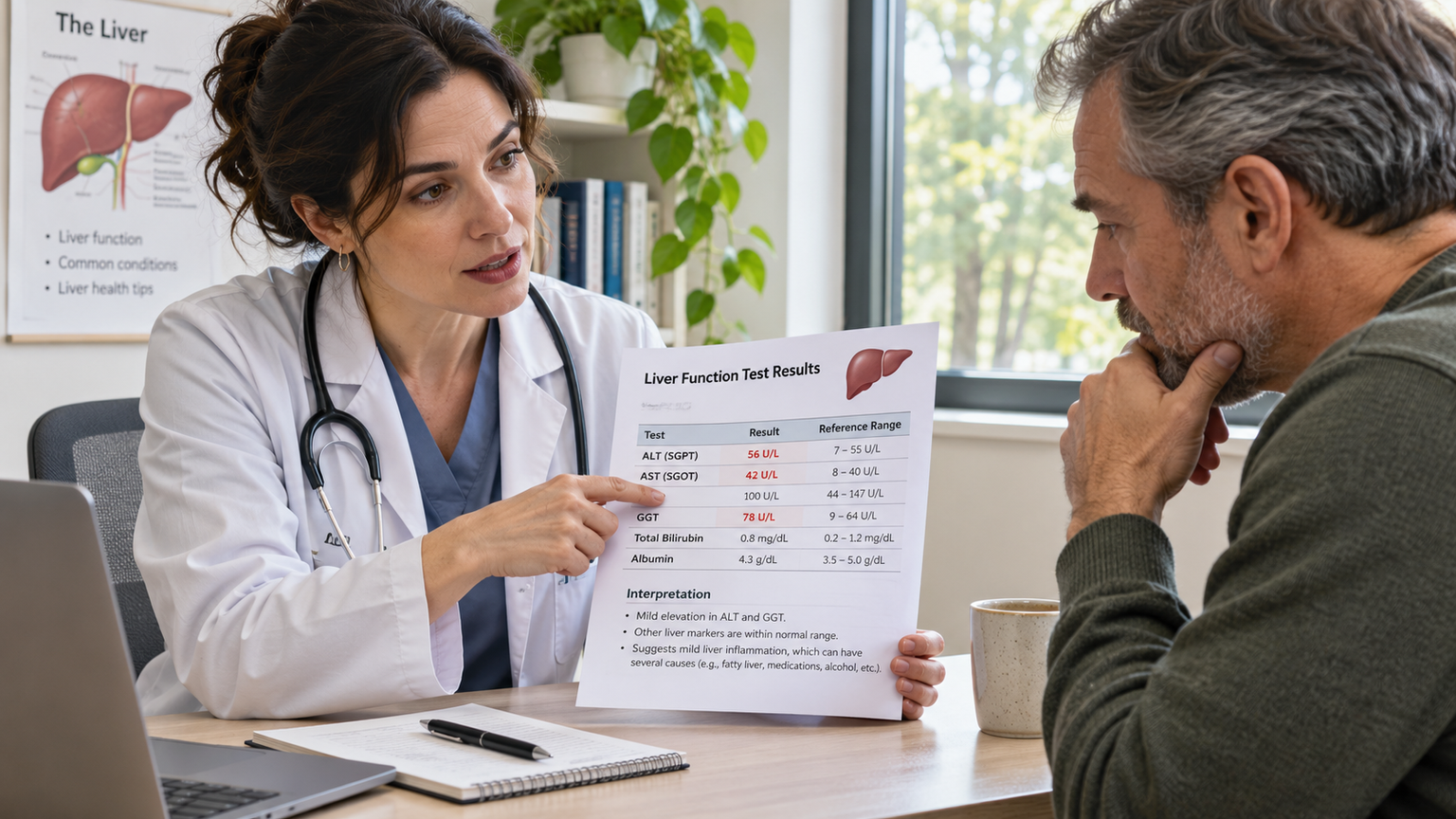
Diagnosis is not based on one symptom alone. Your doctor combines your medical history, physical examination, blood tests, and imaging results. This approach helps identify fat in the liver and check whether inflammation or scarring may be present.
What the evaluation may include
Blood tests can assess liver enzymes and look for other possible causes of abnormal results. An ultrasound may show fat in the liver, while additional tests may be considered when your doctor needs more information about stiffness or scarring.
Tell your doctor about all prescription medicines, over-the-counter painkillers, supplements, and herbal products you use. Some substances can affect liver health, and an accurate history helps your doctor make safer decisions.
What fatty liver treatment usually focuses on
Fatty liver treatment often begins with practical changes rather than a complicated routine. Your plan may focus on gradual weight management when appropriate, regular physical activity, balanced meals, better control of diabetes or cholesterol, and avoiding alcohol if your doctor recommends it.
Do not start supplements or stop prescribed medicine without medical advice. Products marketed as “liver cleanses” may not treat the underlying problem and can sometimes cause harm.
When specialist care helps
A specialist can help when liver tests remain abnormal, symptoms continue, imaging shows concern, or you have other conditions that increase risk. If you are searching for a gastroenterologist in Hyderabad, choose a doctor who can assess digestive and liver conditions and explain your results clearly.
During your appointment, ask what your test results mean, whether you need repeat testing, which lifestyle changes matter most, and when you should return. Clear questions can make the next steps less confusing.
| Finding | Possible next step |
|---|---|
| No symptoms but abnormal routine test | Repeat or additional tests as advised |
| Fat seen on an ultrasound | Review health risks and liver function |
| Persistent abnormal tests or suspected scarring | Specialist assessment and closer follow-up |
Practical Ways to Protect Your Liver
Small, consistent choices can support your overall health while your doctor investigates the cause of your symptoms. Avoid extreme diets and focus on habits you can maintain.
- Choose vegetables, fruit, pulses, whole grains, and suitable protein sources more often.
- Reduce sugary drinks, frequent fried foods, and oversized portions.
- Build regular movement into your week, starting at a level you can manage safely.
- Take medicines only as directed and discuss supplements before using them.
- Keep appointments if your doctor recommends repeat liver tests or scans.
- Seek urgent care for yellowing, vomiting blood, severe abdominal swelling, confusion, or sudden worsening.
One common mistake is waiting for pain before seeking help. The absence of pain does not prove that your liver is healthy.
Frequently Asked Questions
Can fatty liver cause symptoms every day?
It can, but many people have no noticeable symptoms. Daily tiredness, mild abdominal discomfort, or weakness may occur, but these signs have many possible causes. Persistent symptoms should be assessed rather than linked to fatty liver without testing.
Is fatty liver reversible?
In many cases, improving related health factors can reduce liver fat and lower the risk of progression. Your fatty liver treatment plan depends on the cause, test results, medicines, and other conditions. Follow medical advice instead of relying on unproven cleanses.
When should I see a specialist?
Consider specialist care if liver tests remain abnormal, imaging shows fatty change, symptoms continue, or you have diabetes or other risk factors. A gastroenterologist in Hyderabad can help explain findings and plan suitable follow-up.
Are all liver disease symptoms an emergency?
No. Some symptoms need a routine appointment, while yellow eyes, confusion, severe swelling, vomiting blood, or sudden deterioration need urgent medical care. If you are unsure, contact a healthcare professional promptly.
Conclusion
Fatty liver symptoms can be subtle, and waiting for severe pain may delay useful care. Ongoing tiredness, right-sided abdominal discomfort, abnormal liver tests, or yellowing should not be ignored. Testing can clarify what is happening, while healthy daily habits and appropriate fatty liver treatment can support your recovery. If you need medical guidance, contact Sai Sanjeevini Hospitals to discuss your concerns and next steps with a qualified healthcare team.